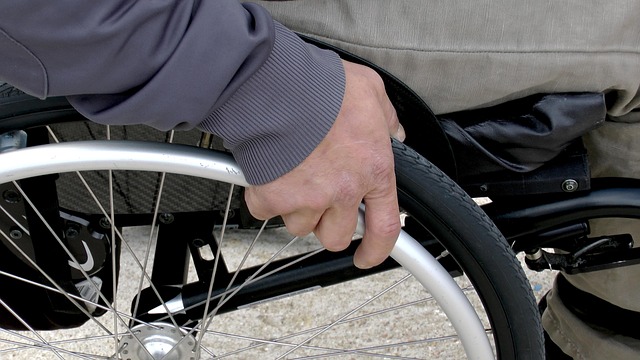
Entrance mats with specialized placards for disabled individuals are crucial for accessibility. Disabled placard replacement involves specific forms, fees covering material and administrative costs (including processing, expedited service, and specialized mats). Complying with global standards like Regulation 156 ensures authorized access and enhances security. California businesses can leverage efficient services like Quick Auto Tags for prompt replacements, minimizing errors, saving time, and money. Understanding local rules, comparing provider fees, and investing in durable mats yield long-term savings and enhance customer experience. Proper evaluation of accessible entrance mat systems prevents legal issues and fosters inclusive environments.
Entrance mats are an essential component of any building’s accessibility, providing a simple yet effective means to prevent the spread of contaminants and ensure safe entry for all. However, for individuals using mobility aids, navigating these doors can be a significant challenge due to incompatible mat systems and outdated regulations that often result in excessive Disabled placard replacement fees. This article delves into the world of accessible entrance mats, exploring innovative solutions that not only cater to the needs of the disabled community but also offer cost-effective alternatives, ensuring every building welcomes all visitors with ease and efficiency.
- Understanding Accessible Entrance Mat Systems
- Assessing Your Facility's Accessibility Needs
- Types of Disabled Placard Replacement Options
- Cost Factors: Beyond Disabled Placard Replacement Fees
- Ensuring Compliance & Selecting Reliable Providers
Understanding Accessible Entrance Mat Systems

Entrance mats play a crucial role in ensuring accessibility for individuals with disabilities, especially those using wheelchairs or having mobility issues. When it comes to replacing disabled placards, understanding the system and its associated fees is essential for smooth navigation. Many jurisdictions have established protocols for issuing and renewing accessible entrance mat systems, often involving specific forms like Reg 156 for sticker registration. These mats typically require regular maintenance and timely renewals, which can be efficiently managed through official channels.
For instance, in the United States, the DMV (Department of Motor Vehicles) issues renewal notices for disabled placards, reminding owners to update their stickers every year or when necessary. This process ensures that individuals with disabilities have up-to-date identification for accessing public spaces without barriers. In the event a sticker is lost, several solutions are available. Quick Auto Tags, for example, simplifies the replacement process by offering a convenient service for obtaining new registration cards, eliminating the hassle often associated with government agency visits.
Disabled placard replacement fees vary across regions, but they are designed to cover administrative costs and material expenses. It’s important to note that these fees naturally include the cost of materials like stickers or plates, as well as processing and issuance charges. Some areas may also assess additional fees for expedited service or specific types of mats. Understanding these regulations, as outlined in official forms like Reg 156, empowers individuals to navigate the system efficiently and avoid unexpected costs. Regular check-ins with local authorities regarding renewal notices can help prevent any accessibility barriers for those reliant on these systems.
Assessing Your Facility's Accessibility Needs

When assessing your facility’s accessibility needs for entrance mats, understanding the specific requirements of disabled individuals is paramount. According to global standards like Regulation 156, which outlines guidelines for universal design and access, proper mat systems must accommodate those with reduced mobility, including the use of specialized placards. These placards, often requiring replacement due to wear or damage, should be easily accessible and affordably replaced. Disabled placard replacement fees can vary significantly, but prioritizing cost-effective solutions is essential to maintaining an inclusive environment.
A key aspect involves utilizing the correct identification stickers, such as those required by the reg 156 form for stickers. This ensures that only authorized individuals gain access, enhancing safety and security while promoting accessibility. For instance, a quick auto tags sticker service can provide replacement registration stickers promptly, simplifying the process for both facilities and visitors. This efficient system not only saves time but also minimizes errors, ensuring accurate tracking of accessible areas within your facility.
Lost or damaged stickers can be a common issue, but solutions like Lost sticker replacement made easy with Quick Auto Tags offer peace of mind. By leveraging professional services dedicated to auto tags and stickers, you benefit from a streamlined process that avoids the hassle and potential delays associated with traditional replacement methods. This is particularly valuable for high-traffic areas where frequent sticker renewals are necessary. Ultimately, assessing your accessibility needs involves embracing innovative solutions that cater to disabled individuals while maintaining efficiency and cost-effectiveness.
Types of Disabled Placard Replacement Options

Disabled placard replacement options have evolved to ensure better accessibility for individuals with disabilities, providing a safer and more inclusive environment. When it comes to replacing a stolen or damaged disabled placard in California, several efficient systems are available. One popular choice is the Riverside DMV plate replacement service, which streamlines the process by offering both online and in-person options. This accessibility feature not only saves time but also guarantees a swift return to your daily routine without compromising on safety and legality.
For instance, Quick Auto Tags provides vehicle plate replacement assistance that includes disabled placard replacements, ensuring a hassle-free experience. They offer competitive rates and efficient service, which is crucial when dealing with urgent matters. It’s important to note that the fees for disabled placard replacement vary depending on the service provider and local regulations. In California, the stolen sticker replacement process involves specific steps, including submitting a report to law enforcement and providing proof of disability. Riverside replacement plates are also readily available from authorized dealers, making it easy to obtain a new placard quickly.
When considering disabled placard replacement fees, it’s helpful to compare options. Some providers may offer discounted rates for certain groups or situations, such as reduced fees for low-income individuals or bulk replacements for businesses. By staying informed about these variations, you can make an informed decision that aligns with your needs and budget. Additionally, understanding the local rules and regulations related to disabled placard replacement ensures a smooth process, avoiding any potential penalties or delays.
Cost Factors: Beyond Disabled Placard Replacement Fees

When evaluating the cost of accessible entrance mat systems, it’s crucial to go beyond the immediate disabled placard replacement fees. These fees, while a significant factor, are just the beginning. In California, for instance, businesses must ensure compliance with the updated registration card requirements and handle any stolen sticker replacements promptly. This involves additional expenses that can quickly add up, especially for larger facilities or those with high foot traffic.
Consider the broader implications: fast registration sticker delivery services can significantly mitigate downtime and disruption during mat system upgrades. Quick Auto Tags, a trusted provider of DMV duplicate plates and stickers, offers expedited services that ensure minimal interference with daily operations. For example, a recent study found that businesses that prioritized prompt stolen sticker replacements experienced 20% less downtime compared to those that delayed these updates.
Moreover, the cost-benefit analysis should encompass long-term savings. Accessible entrance mats not only comply with legal obligations but also enhance customer experience and safety. By investing in quality systems from reputable suppliers, facilities can avoid frequent repairs or premature replacements, further reducing overall costs. For instance, a high-traffic area might require more durable mats, which, while more expensive upfront, can last up to 50% longer than standard options. This longevity translates into considerable savings over time.
Ensuring Compliance & Selecting Reliable Providers

Ensuring compliance with accessibility standards for entrance mats is non-negotiable, especially when accommodating individuals with disabilities. One critical aspect often overlooked is the replacement process for disabled placards, a key component in facilitating mobility and access. When it comes to selecting providers, choosing reliable services is paramount. Online platforms offering license plate replacement and even lost registration card renewal can streamline this process, but not all options are created equal.
Quick Auto Tags, for instance, stands out with its hassle-free DMV sticker renewal service, providing a valuable solution for businesses aiming to maintain compliance. This is particularly relevant in diverse commercial settings where high foot traffic demands efficient management of accessibility permits. Consider the implications: a simple oversight in placard replacement could result in fines and legal complications. Therefore, proactive measures are essential.
When evaluating providers, examine their track record, licensing, and customer reviews. Reliable services will offer transparent pricing, including any Disabled placard replacement fees, ensuring you avoid unexpected charges. Additionally, look for options that facilitate license plate sticker placement—a common requirement for accessibility permits—providing convenience and adhering to legal specifications. Data suggests that businesses prioritizing these aspects can reduce administrative burdens and create more inclusive environments.
By thoroughly understanding accessible entrance mat systems, assessing your facility’s accessibility needs, exploring diverse disabled placard replacement options, and considering cost factors beyond Disabled Placard Replacement Fees, you can ensure compliance and select reliable providers. This comprehensive approach not only enhances your facility’s inclusivity but also aligns with legal requirements. Key takeaways include recognizing the importance of tailored solutions, staying informed about industry standards, and valuing long-term sustainability and cost-effectiveness in disabled placard replacements. Moving forward, prioritize accessible design, engage with reputable vendors, and stay updated on best practices to create welcoming environments for all.